Choosing the right bathtub isn’t just a design decision—it’s a lifestyle choice. In many homes, the tub becomes a place to unwind, reset, and escape the noise of the day. For homeowners in Shelton, where cozy, functional living spaces matter just as much as aesthetics, the decision often comes down to two popular options: freestanding tubs and built-in tubs.
At Gennaro Contracting, we help homeowners turn bathrooms into personal retreats by guiding them through choices that balance beauty, practicality, and long-term value. Let’s break down the pros and cons of each tub style so you can confidently choose the one that fits your home and your life.
Your Bathroom Is More Than a Room—It’s Your Reset Button
Before comparing styles, think about what you want your bathroom to do for you. Do you want a spa-like focal point that feels luxurious and open? Or are you focused on practicality, storage, and maximizing space?
That answer becomes the foundation for choosing between freestanding and built-in tubs.
Freestanding Tubs: The Statement Piece
Freestanding tubs are exactly what they sound like—bathtubs that stand alone without being attached to walls. They’ve become a favorite in modern and luxury bathroom designs.
Pros of Freestanding Tubs
Stunning Visual Impact
A freestanding tub instantly becomes the centerpiece of the bathroom. It creates a spa-like atmosphere that feels elevated and intentional. Whether you choose a clawfoot, modern oval, or sculptural design, it draws attention in the best way.
Flexible Placement Options
Because they don’t need to be built into a wall, freestanding tubs can be placed almost anywhere plumbing allows. This gives designers and homeowners more creative freedom.
Easier Installation (in some cases)
Depending on the layout, installation can be less complex than building a full tub surround. There’s no need for tile framing or enclosure construction.
Variety of Styles
From vintage-inspired clawfoot tubs to sleek, modern stone resin designs, freestanding tubs come in a wide range of aesthetics.
Cons of Freestanding Tubs
Less Storage Space
Freestanding tubs don’t offer ledges or surrounding surfaces for soaps, candles, or bath essentials. You’ll likely need a nearby shelf or bench.
Higher Plumbing Considerations
Floor-mounted faucets and plumbing adjustments may increase installation costs, especially in remodels.
Not Ideal for Small Bathrooms
While beautiful, freestanding tubs can take up more visible floor space, making smaller bathrooms feel more crowded.
Cleaning Around the Base
Because all sides are exposed, cleaning around and under the tub can take more effort.
Built-In Tubs: The Functional Classic
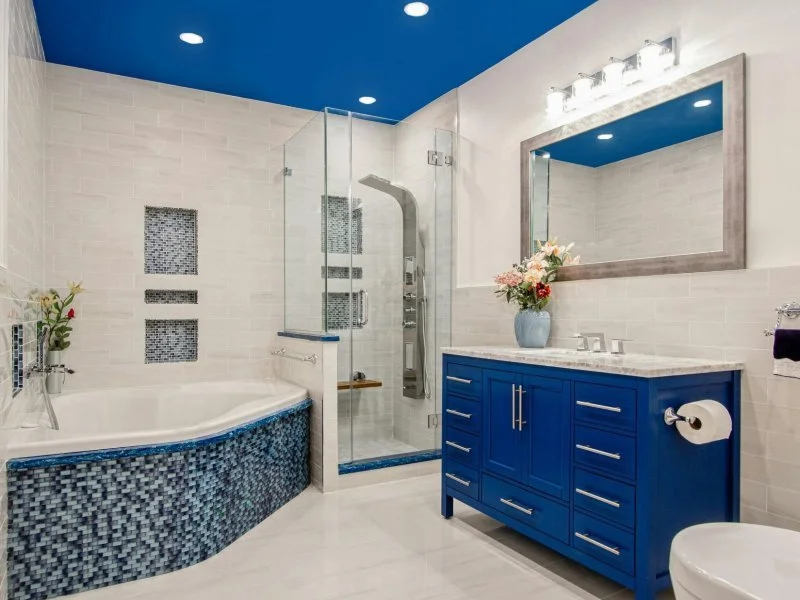
Built-in tubs (also called alcove tubs) are installed against walls and often surrounded by tile or a tub deck. They’re the most common choice in traditional bathroom layouts.
Pros of Built-In Tubs
Space Efficiency
Built-in tubs are perfect for maximizing smaller bathrooms. They fit neatly into corners or alcoves, leaving more usable floor space.
Added Storage and Functionality
The surrounding ledges provide convenient space for toiletries, cleaning supplies, and décor.
Easier Shower Integration
Built-in tubs are ideal for combination shower-tub setups, making them highly practical for families.
Typically More Budget-Friendly
Installation and materials are often less expensive than freestanding options, especially in standard remodels.
Cons of Built-In Tubs
Less Visual Impact
While functional, built-in tubs don’t offer the same design “wow” factor as freestanding tubs.
Limited Design Flexibility
You’re confined to wall placement, which can restrict layout creativity.
Potential for Wear Around Surrounding Materials
Tile grout, caulking, and tub surrounds require maintenance to prevent mold or water damage over time.
Which Tub Is Right for You?
The choice between freestanding and built-in tubs ultimately comes down to how you use your bathroom and what experience you want to create.
If your goal is a spa-inspired retreat where relaxation is the priority, a freestanding tub may be the perfect centerpiece. If you need practicality, storage, and efficient use of space—especially in a family bathroom—a built-in tub may be the smarter long-term solution.
At Gennaro Contracting, we often remind homeowners: the best design isn’t just beautiful—it works for your everyday life.
How Gennaro Contracting Helps You Decide
Remodeling a bathroom can feel overwhelming, especially when design choices impact plumbing, layout, and budget. That’s where we step in as your guide.
We help homeowners in Shelton, WA, and surrounding areas by:
- Evaluating your bathroom layout and space constraints
- Reviewing plumbing and installation requirements
- Helping you compare long-term maintenance needs
- Designing a bathroom that balances style and function
- Ensuring your remodel increases both comfort and home value
You don’t have to figure it out alone—we help you make a confident, informed decision from start to finish.
Real-World Example
A homeowner in Shelton recently wanted to upgrade a small primary bathroom. Initially, they were drawn to a freestanding tub for its luxury look. After reviewing the space together, we recommended a compact built-in tub with a tiled surround and integrated storage.
The result? A bathroom that still felt modern and elevated—but also practical enough for daily use without feeling cramped. That’s the difference thoughtful design makes.
Final Thought: Design Should Serve Your Life
Whether you choose a freestanding tub or a built-in design, the right decision is the one that fits your space, your habits, and your long-term goals. Luxury doesn’t always mean larger or more dramatic—it means intentional.
And when you’re ready to bring that vision to life, Gennaro Contracting is here to help you build a bathroom that feels as good as it looks.
Helpful Bathroom Remodeling Resources for Homeowners
- U.S. Department of Energy – Bathroom efficiency and water use
- Environmental Protection Agency (EPA) – WaterSense program
- National Kitchen & Bath Association (NKBA) design guidelines
- This Old House – Bathtub installation and remodeling insights
- Houzz – Bathroom design inspiration and remodeling trends