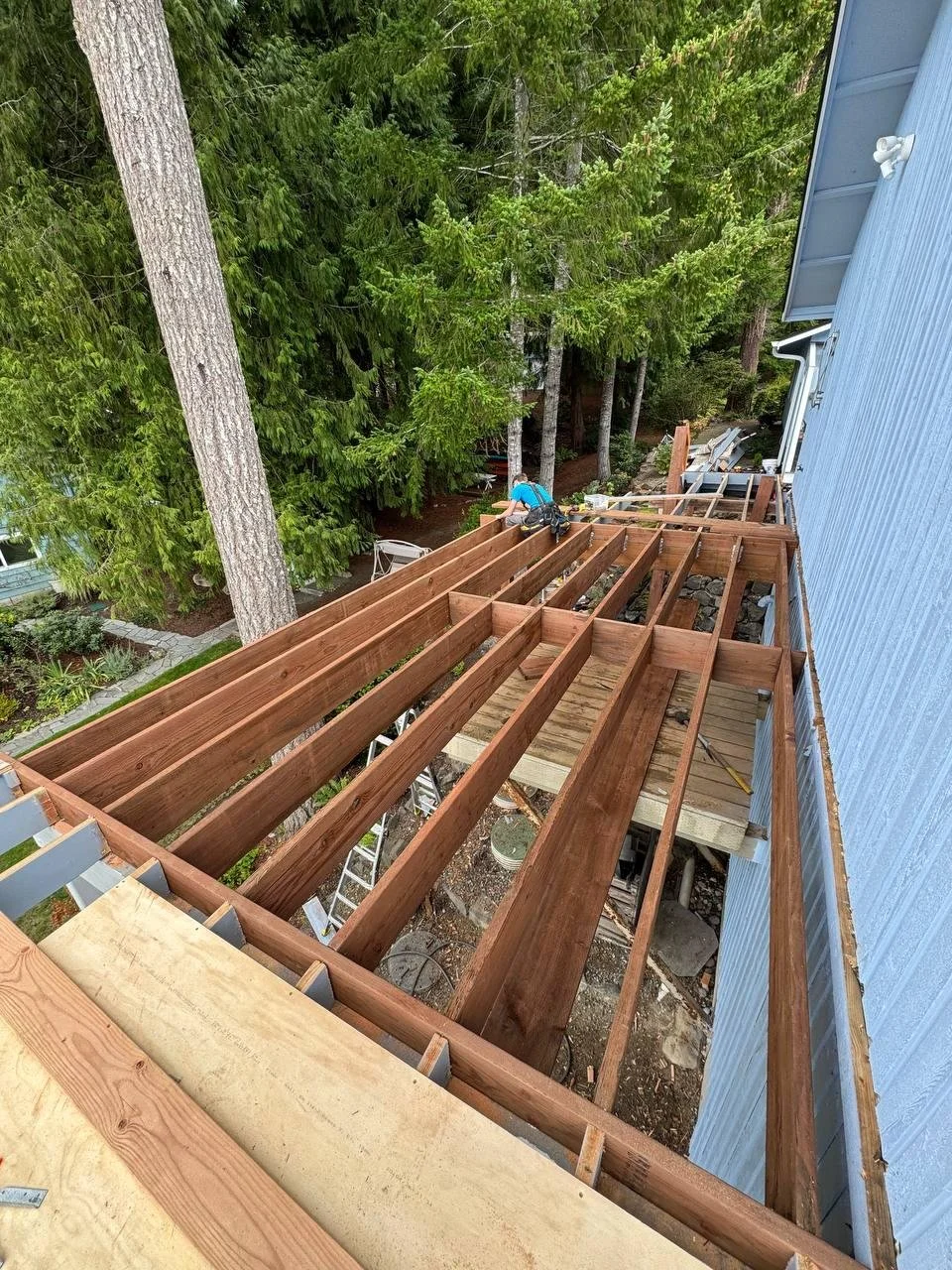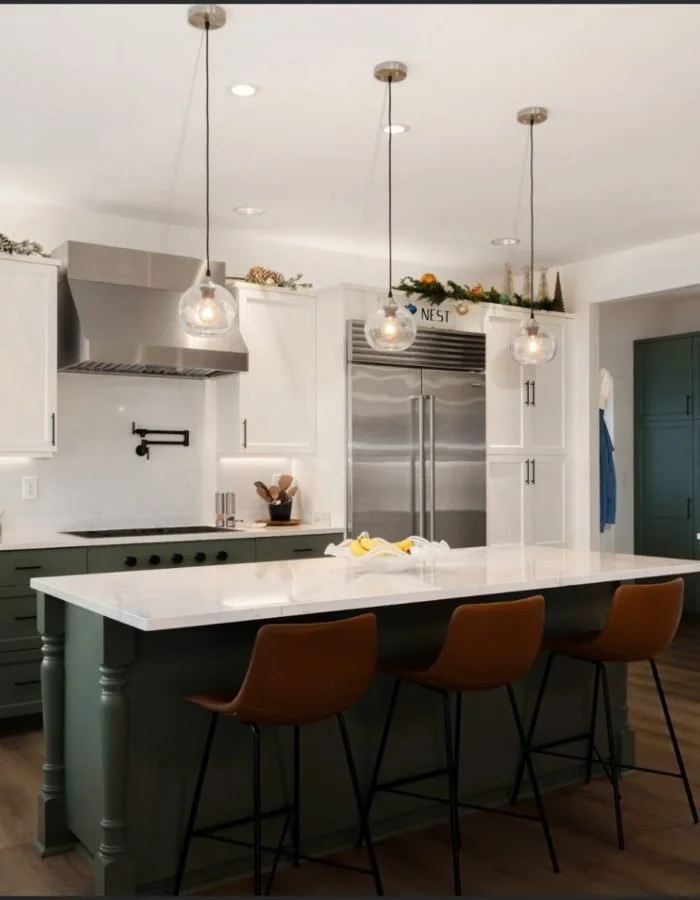
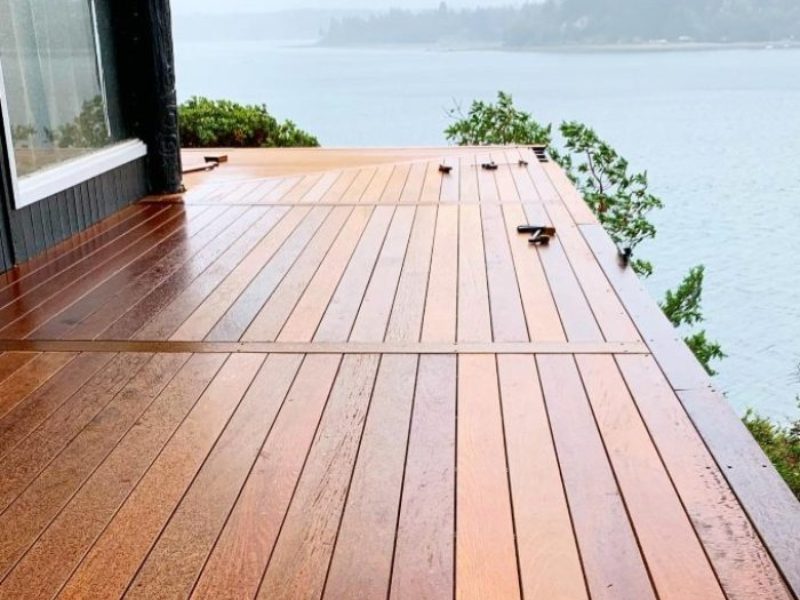
Home improvement projects are exciting. Whether you are remodeling a kitchen, updating a bathroom, building an addition, or improving an outdoor living space, the possibilities can make it easy to focus on the finished result rather than the financial plan behind it.
At Gennaro Contracting, homeowners in Shelton and the surrounding areas often ask the same question before starting a project: “How do I stay on budget without sacrificing quality?”
The answer starts with preparation. A well-planned budget does more than control spending. It reduces stress, keeps projects moving forward, and helps homeowners make confident decisions throughout the renovation process.
Here are practical budgeting tips to help you plan your next home improvement project wisely.
Start With Clear Goals
One of the biggest reasons remodeling projects exceed budget is unclear expectations. Many homeowners begin with a general idea like “update the kitchen” or “finish the basement,” but without detailed priorities, costs can quickly grow.
Before requesting estimates, define:
- What you want to improve
- What problems need to be solved
- Which features are must-haves
- Which upgrades are optional
For example, if your primary goal is functionality, you may prioritize storage, layout, and durable materials over luxury finishes. If resale value matters most, focus on improvements with a strong return on investment.
Having a clear scope helps contractors provide accurate pricing and prevents costly mid-project changes.
Build a Realistic Budget
A common mistake homeowners make is setting a budget based only on what they hope to spend rather than what the project will realistically cost.
Industry experts recommend creating a detailed budget that includes:
Labor
Materials
Permits
Design fees
Cleanup
Temporary living expenses, if necessary
Emergency contingency funds
Many renovation professionals suggest keeping projects proportional to your home’s value to avoid over-improving.
When planning your project, it also helps to prioritize quality over quantity. Investing in durable materials and skilled workmanship may cost more upfront, but can save money on repairs and replacements later.
Always Include a Contingency Fund
No matter how carefully you plan, unexpected costs can happen during construction. Hidden water damage, outdated wiring, structural concerns, or plumbing problems are common discoveries once walls and flooring are opened up.
That is why experienced contractors recommend setting aside an additional 10% to 20% of your project budget as a contingency reserve. Older homes or large-scale remodels may require even more flexibility.
Your contingency fund should not be treated as extra spending money for upgrades. Instead, it serves as protection against surprises that could otherwise delay or derail the project.
Planning for the unexpected gives homeowners peace of mind and allows construction to continue smoothly if issues arise.
Get Multiple Estimates
Comparing estimates from reputable contractors is one of the smartest ways to understand local pricing and avoid budget surprises.
However, choosing the lowest bid is not always the best decision.
A very low estimate may indicate:
- Incomplete project scope
- Lower-quality materials
- Inexperienced labor
- Missing permit costs
- Hidden fees later in the process
Instead, compare estimates carefully by reviewing:
- Scope of work
- Material allowances
- Timeline expectations
- Warranty information
- Payment schedules
Working with an experienced contractor like Gennaro Contracting helps homeowners in the Shelton area receive transparent pricing and realistic project planning from the beginning.
Prioritize Projects Strategically
If your wish list exceeds your budget, focus first on improvements that deliver the greatest impact.
Projects that typically provide strong long-term value include:
- Kitchen updates
- Bathroom remodels
- Roofing improvements
- Energy-efficient upgrades
- Structural repairs
- Exterior improvements
Cosmetic upgrades can often be completed in phases over time, while critical repairs should be addressed immediately to prevent more expensive problems later.
Breaking larger renovations into manageable stages can help homeowners stay financially comfortable while still making steady progress.
Avoid Last-Minute Changes
Change orders are one of the fastest ways to increase renovation costs.
Once construction begins, altering layouts, materials, or finishes often creates:
- Additional labor costs
- Material waste
- Delays
- Permit revisions
- Scheduling complications
Making final decisions before work begins helps protect your budget and timeline.
This includes selecting:
- Paint colors
- Flooring materials
- Fixtures
- Appliances
- Countertops
- Hardware
According to renovation professionals and homeowner discussions online, avoiding frequent design changes is one of the best ways to control overall remodeling costs.
Track Expenses Throughout the Project
Budgeting should continue after construction starts. Tracking expenses in real time helps homeowners identify overspending early before it becomes a larger issue.
Keep records of:
- Contractor invoices
- Material purchases
- Permit fees
- Change orders
- Deposits and payments
Many homeowners find that spreadsheets or renovation budgeting apps help organize costs and maintain financial visibility throughout the project.
Consistent tracking also improves communication between homeowners and contractors by ensuring everyone stays aligned on financial expectations.
Plan Financing Carefully
If financing is part of your renovation strategy, take time to understand your options before construction begins.
Possible financing solutions may include:
- Savings
- Home equity loans
- HELOCs
- Home improvement loans
- Refinancing options
Each financing method comes with different interest rates, repayment terms, and risks. Planning and financing early helps avoid delays and prevents cash flow problems during construction.
Homeowners should also leave room in their financial plan for unexpected material price increases or timeline adjustments.
Focus on Long-Term Value
The cheapest option is not always the most affordable in the long run.
High-quality craftsmanship and durable materials often reduce future maintenance costs while improving your home’s comfort, efficiency, and resale value.
A professionally completed renovation can enhance:
- Property value
- Energy efficiency
- Functionality
- Safety
- Curb appeal
Choosing experienced professionals ensures the work is completed correctly the first time, helping homeowners avoid costly repairs later.
Final Thoughts
A successful home improvement project starts with a realistic budget and a clear plan. By defining priorities, preparing for unexpected expenses, tracking costs carefully, and partnering with experienced professionals, homeowners can avoid many of the financial headaches that commonly affect remodeling projects.
At Gennaro Contracting, homeowners throughout Shelton, WA, and the surrounding communities can rely on professional guidance, quality workmanship, and honest communication throughout every stage of the renovation process.
Careful budgeting today can help turn your home improvement goals into lasting investments for years to come.