
By, Hilary Gennaro
March 9, 2026
Most of us associate seasonal home prep with winter, but there are some very important aspects to making sure your home transitions well from winter to spring.
ROOF, GUTTERS, SIDING
The warmer weather provides a great opportunity to check your roof, gutters, and siding. Winter storm foliage debris may have accumulated in your gutters. Clearing out that debris, and also ensuring that your downspouts point away from your home, helps prevent water from backing up toward your house and potentially causing leaks and other costly damage. You can use a hose to flush out smaller clogs, but if water isn’t exiting the downspouts, you may have a larger clog requiring other tools, such as a plumber’s snake, according to Bob Vila. While you’re cleaning your gutters, check for damage such as holes or cracks, which sometimes occur with the freezing and thawing of ice. Visually check your roof for any overt signs of damage like broken or missing shingles, and if you have an attic, it’s a good idea to check for leaks or moisture inside that space. When in doubt, count on a professional to inspect your roof. Finally, walk the perimeter of your home and check for rotten or damaged siding. Repair any extremely weathered or cracked pieces of siding. If your siding is painted, scrape off any peeling or loose paint, then sand and repaint the wood. If your home is brick or stucco, look for crumbling or deteriorated mortar. If you discover a problem, the best thing to do is to contact a professional for help with repairing or replacing the damage. PRO TIP: Never inspect or work on your roof or gutters if you’re uncomfortable on a ladder, or do not feel safe for any reason. There are always professionals willing to help with any part of this process.
AIR CONDITIONER
If you have an air conditioner you don’t use year-round, you may want to give it a tune-up before you need to turn it on for the year. First, inspect the panels that enclose and protect the electrical system. Make sure they are secure, and haven’t been damaged in the winter weather. Clear away any debris, such as leaves, twigs and vegetation that may be on or around the unit, and check the interior for lawn debris that may have worked its way inside, as that may restrict air flow and limit the efficiency of your unit (Department of Energy). Better Homes and Gardens recommends you replace the filters in your air conditioner every spring to optimize efficiency. PRO TIP: You may be able to do some of this yourself, but it could be a good idea to schedule a professional tune-up, as they can check for any other potential problems.
WINDOWS AND DOORS
Check existing weather stripping, or add weatherstripping to your windows and doors, as this is an easy and effective way to save money on your energy bill (Department of Energy). Weatherstripping ensures a good seal around openings in your home. In the winter it keeps the warm air in, and the cold drafts out. In the summer, it works the opposite way. If you’re installing weatherstripping for the first time – or if the existing seal needs repair – try to do so before you have to turn on your AC. Keeping that cool air inside will mean your AC doesn’t have to work as hard, and could result in savings on your energy bill. The same can be true of your furnace when winter rolls back around. The DOE recommends applying weatherstripping to clean, dry surfaces, and in temperatures above 20 degrees Fahrenheit. It’s also a good idea to replace damaged window screens; if you’re one of those people that like to keep the windows open in the warm weather, you don’t want to let flies or other insects in with the fresh air.
LANDSCAPING
Pruning and trimming trees, shrubs, and other plants around your home promotes plant health, spruces up their appearance, and may even help protect people from getting hurt, according to the University of Minnesota Extension. Along the same lines, if foliage is well-maintained, your siding is less likely to get scratched or damaged. It’s always a good idea to trim landscaping away from doors, windows, and an outdoor AC unit, if you have one. Spring is also the perfect opportunity to get your lawnmower ready for use. Check your owner’s manual for specific maintenance schedules and procedures. Typically, you’ll want to check/change the oil (unless it’s electric) fill it with fresh fuel, sharpen blades, and change or clean the filters, according to Consumer Reports.
OTHER ANNUAL CHECKS TO COMPLETE
FANS
Ceiling fans can be an efficient way to air out the house and generate a cross-breeze, and in the winter, they can allow you to raise your thermostat setting by about four degrees Fahrenheit without reducing your comfort level (DOE). You’ll want to test that they are working, and clean the blades.
ALARMS
The National Fire Protection Association recommends you check all your smoke and CO2 detectors every year. Your alarm may have “long life” or nonreplaceable batteries, which can be effective up to ten years on the same battery. But, if you have any other type of battery in your alarms, you should replace them every year.
DRAINING YOUR WATER HEATER
Your water heater needs to be flushed occasionally to remove sediment that can build up and reduce the unit’s efficiency. Most manufacturers recommend flushing a water heater once a year, but if you live in an area with hard water, you may need to do it more frequently. Typically, you only need a garden hose to drain a water heater, according to HGTV. You will need to shut off the heater’s power and water supplies, and then simply attach the hose to the unit and let the water drain.
CHECK YOUR DECK
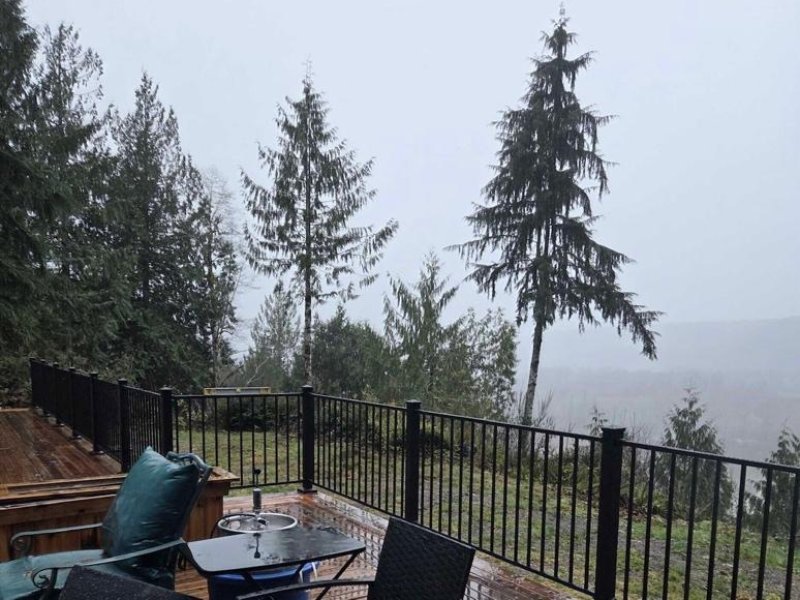
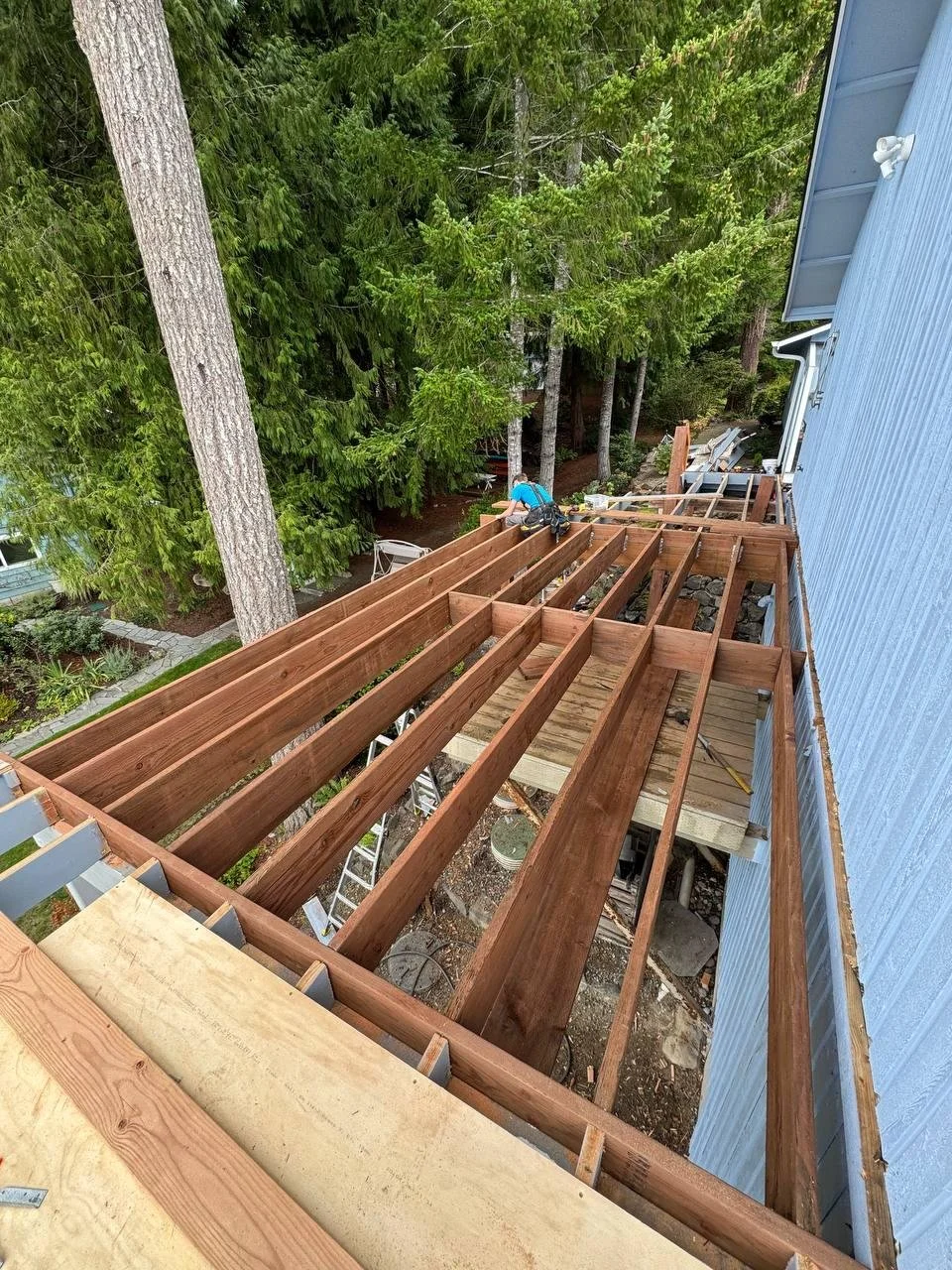
Check your deck for signs of age. Ensure there are no loose or deteriorating boards, and consider a safety inspection every few years.
INSPECT THE FOUNDATION
Most homes should have a foundation inspection every three to five years, but if you live in an older home with shifting soil, proactive, yearly inspections are best.
CONCLUSION
Finding time to make sure your home is in great shape before spring will allow you and your family to fully enjoy the changing seasons. It may also help you avoid costly future repairs from unchecked damage or deterioration.